
To thrive in digital marketing, businesses must effectively leverage email marketing strategies. Email marketing remains one of the most powerful tools for directly reaching consumers and nurturing relationships. Crafting well-targeted email campaigns can drive engagement, elevate brand visibility, and boost sales.

Setting clear goals is essential for any successful email marketing strategy. Whether the aim is to increase customer retention, promote new products, or enhance customer experience, every email should align with these objectives. Segmenting the email list and personalizing content can significantly improve open rates and ensure the message resonates with recipients, enhancing overall campaign performance.
Digital marketing involves various channels, but email marketing stands out due to its direct approach and measurable impact. By tapping into effective email marketing practices, businesses can strengthen their online presence and effectively communicate with their audience. Investing time and resources into these strategies can yield impressive best results, making email marketing a cornerstone of any digital marketing plan.
Understanding Email Marketing

Email marketing is a critical tool for engaging audiences, enhancing brand awareness, and achieving a high return on investment (ROI). This method is cost-effective and enables personalized communications, making it a preferred marketing channel for many businesses.
The Role of Email Marketing
Email marketing enables direct and targeted communications with a broad audience. Businesses use it to nurture leads, deliver personalized content, and keep new customers informed about promotions and updates.
It supports multiple marketing goals, including increasing brand awareness and driving sales. According to some studies, email marketing generates $36 for every $1 spent, making it highly effective in terms of ROI.
Additionally, email marketing allows for segmentation and customization, thereby making messages more relevant and engaging to recipients. This increases the likelihood of converting new leads into customers.
Advantages of Email Marketing
One key advantage of email marketing is its cost-effectiveness. Unlike traditional marketing methods, it requires minimal investment while offering the potential for substantial returns. Over half of marketers rate email as the most effective channel for marketing efforts.
Another benefit is the ability to generate brand awareness. Frequent, relevant emails keep your brand at the forefront of customers’ minds, reinforcing your message and values.
Moreover, email marketing can be easily tracked and measured. Marketers can analyze open rates, click-through rates, and conversions to refine their strategies and improve outcomes, enhancing the campaign’s effectiveness.
Building Your Email List

Creating a robust email list is crucial for effective email marketing. This process involves understanding the importance of a loyal subscriber base and employing various techniques to attract new subscribers.
Importance of Building a Subscriber Base
A loyal and engaged subscriber base is essential for any effective email marketing strategy. These subscribers are more likely to engage with content, leading to higher open and click-through rates. They also tend to be more receptive to marketing messages, which can result in increased conversions.
An engaged email list provides reliable data for refining marketing strategies. Marketers can track metrics such as open rates, click rates, and conversions to understand what content resonates with subscribers. This feedback loop is invaluable for improving future campaigns.
Furthermore, having a strong subscriber base reduces dependency on other marketing channels. While social media and search engines are important, they are often subject to algorithm changes. An email list, on the other hand, is a direct line to the audience that businesses control.
Techniques for Increasing Your Email Subscribers
Several strategies can effectively increase the number of email subscribers. One effective approach is using pop-up CTAs on key pages. This helps capture the attention of visitors and encourages them to subscribe.
Creating an email newsletter offers valuable content, giving visitors a reason to provide their email addresses. Newsletters can include helpful tips, industry updates, or special offers.
Using automated email sequences is another powerful technique. These sequences guide new subscribers through a series of emails, nurturing them and encouraging further engagement.
Setting up targeted landing pages with compelling offers can also attract new subscribers. Providing value in exchange for an email address, such as a free e-book or a discount, can be very effective.
Including a simple, visible signup form on the homepage and blog posts is crucial. Make it easy for visitors to subscribe without searching for the signup form. Using clear and compelling calls-to-action will increase the chances of conversion.
Segmentation and Personalization

Segmentation and personalization in email marketing can significantly enhance engagement and conversion rates. They allow businesses to send targeted and relevant content to specific audience groups.
Segmenting Your Audience
Segmenting your audience involves dividing your email list into smaller groups based on certain criteria. This can include demographic details like age, gender, or location, as well as behavioral data such as past purchases, browsing history, and engagement levels.
Demographic segmentation is one of the most common practices, allowing businesses to tailor their messages to specific age groups, genders, or regions. This ensures that the content resonates more deeply with the recipient.
Behavioral segmentation can provide insights into user preferences and purchase patterns. For instance, segmenting users who frequently engage with your content can help in creating highly targeted campaigns that drive better results.
Example: An online retailer might segment its audience based on purchase history, creating a distinct segment for customers who frequently buy electronics. These customers can then receive emails highlighting new gadgets or exclusive tech deals.
Benefits of Personalization
Personalization in email marketing means crafting messages that cater to the individual needs and preferences of each subscriber. This approach can significantly improve the recipient’s experience and boost engagement.
Increased engagement is a primary benefit of personalization. Tailored content makes recipients feel valued and understood, leading to higher open and click-through rates.
Enhanced customer satisfaction results from delivering relevant content that addresses the specific interests and needs of your audience. When customers receive emails that speak directly to their preferences, they are more likely to remain loyal to the brand.
Higher conversion rates can also be achieved. Personalized emails often include customized product recommendations or special offers, which can motivate subscribers to make a purchase.
Example: A beauty brand might send personalized skincare tips and product recommendations based on a customer’s previous purchases, ensuring the content is both useful and engaging.
By focusing on segmentation and personalization, businesses can create more impactful email marketing campaigns that drive meaningful results.
Crafting Compelling Content

Creating captivating email content involves focusing on both subject lines and body content to engage and inform your audience.
Writing Effective Subject Lines
Crafting an effective subject line is crucial as it serves as the gateway to your email. It should grab attention immediately, enticing recipients to open the email.
Use Personalization: Incorporate the recipient’s name to create a more personalized touch.
Keep it Short: Aim for subject lines under 50 characters to ensure they are fully visible on most devices.
Create Urgency: Use time-sensitive words like “limited offer” or “act now” to prompt immediate action.
A/B Testing: Test different subject lines to determine which ones yield the highest open rates.
Examples:
- “Jane, don’t miss our summer sale!”
- “Last chance: 24-hour exclusive deal!”
Developing Engaging Body Content
Once the email is opened, the body content must maintain the reader’s interest. It should be clear, concise, and compelling.
Start Strong: Begin with a captivating opening line that makes readers want to continue.
Segment Your Audience: Tailor content to specific segments of your audience. Segmenting your audience can help deliver personalized messages.
Use Visuals: Incorporate images, videos, or infographics to break up text and provide visual interest.
Call-to-Action (CTA): Include a clear, actionable CTA that directs the reader on what to do next.
Keep it Concise: Avoid lengthy paragraphs. Use bullet points or short sentences to convey your message effectively.
For example, in a newsletter:
- Engage: Start with a compelling story or interesting statistic.
- Inform: Provide valuable information, news, or updates relevant to the reader.
Designing Email Campaigns

Effective email campaigns require choosing user-friendly templates and incorporating visual elements that enhance the message’s appeal.
Choosing the Right Templates
Selecting the right email template forms the foundation of successful email campaigns. Templates should not only align with the brand’s identity but also cater to the target audience. Responsive design is crucial, ensuring emails display well on various devices.
Using customizable email marketing templates allows businesses to tailor messages to specific needs. Elements like headlines, body text, and calls to action must be strategically placed to guide the reader’s attention. A/B testing can help determine the best-performing templates, optimizing engagement and conversion rates.
Incorporating dynamic content blocks that personalize the email for individual recipients can significantly enhance relevance and effectiveness.
Incorporating Visual Elements
Visual elements play a vital role in catching the reader’s eye and conveying messages quickly. High-quality images, infographics, and branded visuals improve the aesthetic appeal and make the content more engaging.
GIFs and animations can add a dynamic touch, making the email more interactive without overwhelming the reader. It’s important to maintain a balance between text and visuals to ensure readability.
Using a consistent color scheme and font style that aligns with the brand identity strengthens brand recognition. Alt text for images ensures accessibility and helps maintain engagement even if the images fail to load.
Optimizing Email Campaigns

Optimizing email campaigns involves improving both the open rates and click-through rates (CTR). Techniques such as A/B testing and analyzing key metrics can significantly enhance performance.
Improving Open Rates
One effective way to improve open rates is by optimizing the subject line. A compelling subject line should be concise, relevant, and evoke curiosity or urgency. Using personalization, such as including the recipient’s name, can also grab attention.
A/B testing different subject lines allows marketers to determine which ones resonate best with their audience. For example, testing variations in phrasing, length, or including emojis can provide insights on what drives higher open rates.
Ensuring emails are mobile-friendly is essential since many users check emails on their smartphones. As noted by Brafton, many subscribers use mobile devices to read emails, making mobile optimization crucial.
Enhancing Click-Through Rates
To enhance click-through rates, content and design must be optimized. Clear, concise content with a compelling call to action (CTA) encourages recipients to engage. Placing the primary CTA above the fold ensures it’s seen without scrolling.
Personalized content that caters to the recipient’s interests increases engagement. Segmenting your email list allows for more targeted messaging, making the content more relevant to the audience.
A/B testing different email designs and CTAs can reveal what works best for driving clicks. Variations in the placement, color, or wording of CTAs can significantly impact CTRs.
Monitoring metrics such as CTR alongside other key performance indicators (KPIs) helps in continual optimization. According to HubSpot, tracking these metrics is essential for evaluating the effectiveness of email marketing campaigns.
Email Marketing Automation
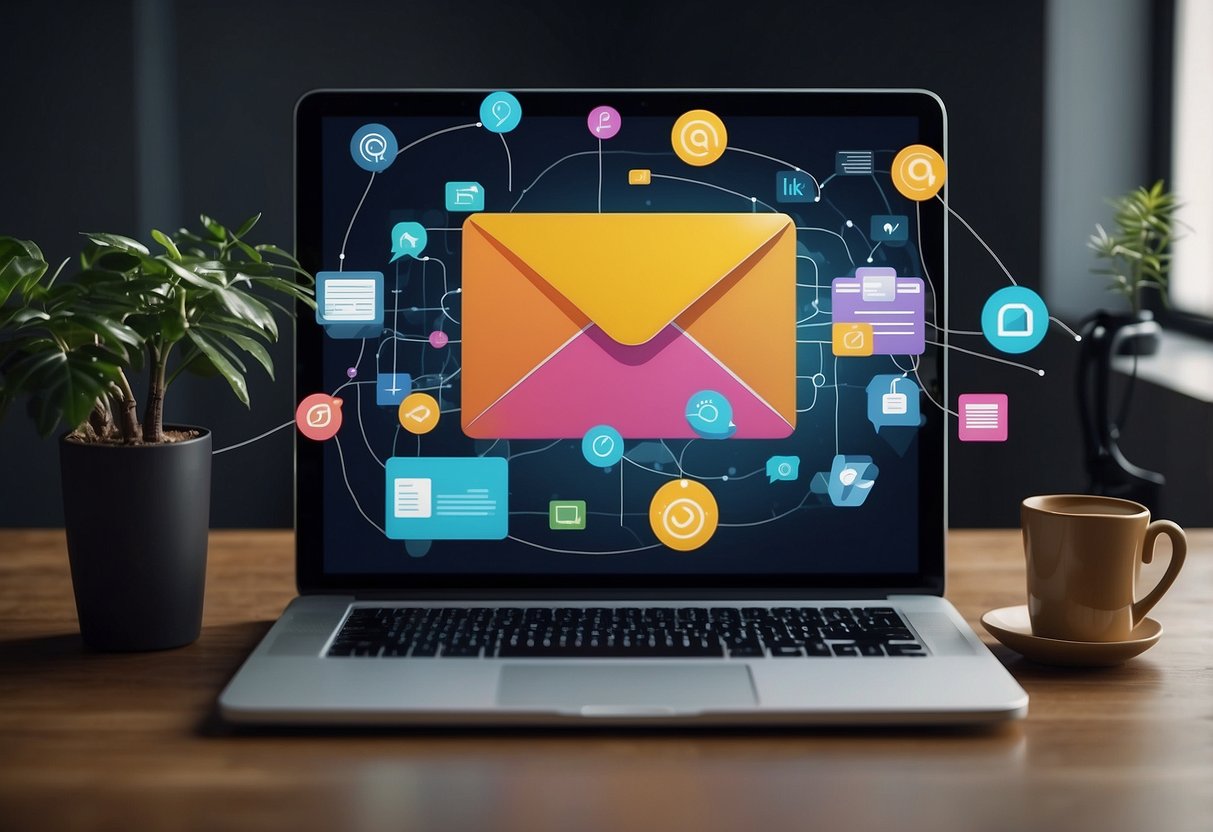
Email marketing automation leverages software to send personalized emails to subscribers triggered by specific actions or behaviors, ensuring timely and relevant communication.
Setting Up Automated Workflows
Setting up automated workflows involves choosing an email service provider that aligns with your business goals. First, identify key triggers that will initiate the automated emails such as sign-ups, purchases, or inactivity. Next, design the email content to align with these triggers.
Utilize dynamic content to personalize emails for each recipient. For example, a new customer might receive a series of welcome emails, whereas a repeat buyer might get product recommendations. Test your workflows regularly to ensure they function correctly and refine them based on performance data. Once the workflows are in place, make them live and monitor their progress.
Benefits of Marketing Automation
Marketing automation offers several benefits that enhance the effectiveness of email campaigns. By automating tasks, it saves time and ensures each recipient gets the right message at the right time, improving engagement rates.
Automated workflows enable businesses to maintain consistent communication with their audience, increasing brand loyalty. Personalization through automation leads to higher open and click-through rates by targeting messages based on customer behavior and preferences. Additionally, automation helps in tracking and analyzing data to refine marketing strategies. This results in more efficient campaigns and a higher return on investment (ROI).
Using the right email service provider can streamline the entire process, making it easier for marketers to manage and optimize their campaigns.
Integrating with Other Marketing Efforts
Effective integration of email marketing with other channels is crucial for enhancing the impact of your campaigns by ensuring a consistent and compelling message. This involves strategically aligning your email efforts with social media and sales strategies.
Leveraging Social Media
Integrating email marketing with social media can significantly boost engagement and reach. Use email campaigns to promote social media contests, encouraging subscribers to participate and share. This not only fosters community engagement but also extends your brand’s online presence.
Another effective tactic is to incorporate social media icons in emails. Allowing recipients to easily follow or share content enhances visibility across platforms. Additionally, create brand-specific hashtags and encourage their use in both emails and social media posts. This unifies your brand messaging and fosters organic growth.
Sharing user-generated content is another powerful strategy. Showcase posts from customers or clients in your email newsletters, building trust and community. This reciprocity often encourages others to engage and create content around your brand.
Coordinating with Sales Strategies
Aligning email marketing with sales strategies can drive more cohesive and effective campaigns. Use email to nurture leads by delivering personalized content based on their behavior and interests. This targeted approach can move prospects more efficiently through the sales funnel.
Collaborate closely with the sales team to create tailored email content that addresses common customer pain points and requirements. For instance, offering exclusive discounts or insights in emails can serve as strong conversion tools.
Integrate your email platform with CRM systems. This synchronization allows for better tracking of customer interactions and more informed follow-up strategies. Regularly review performance metrics to fine-tune email content and ensure it’s meeting sales objectives.
Use automated email sequences triggered by specific sales actions, like abandoned cart reminders in e-commerce. This keeps potential customers engaged and increases the likelihood of conversion through timely, relevant messaging.
Analyzing and Enhancing Performance

Evaluating your email marketing campaigns involves tracking essential metrics and employing strategies to optimize good results. Critical elements include understanding ROI, engagement metrics, and conversion rates.
Measuring Campaign Success
To measure the success of email marketing campaigns, it is vital to monitor key performance indicators (KPIs). These include:
- Open Rate: The percentage of recipients who open the email. High open rates typically indicate strong subject lines and sender reputation.
- Click-Through Rate (CTR): The ratio of users who click on links within the email. It reflects the engagement level and relevance of content.
- Conversion Rate: The percentage of recipients who complete a desired action, such as making a purchase. It is a crucial metric for assessing ROI.
- Bounce Rate: The percentage of emails not successfully delivered. High bounce rates can harm your sender reputation.
- Unsubscribe Rate: The percentage of recipients who opt out of receiving future emails. Keeping this low is essential for maintaining your subscriber base.
Establishing a regular tracking schedule, such as weekly or campaign-specific reviews, helps in comparing current performance with benchmarks.
Strategies for Improvement
Improving email marketing performance involves refining various elements based on the data collected. Key strategies include:
- Segmentation: Dividing your audience into smaller groups based on demographics, behavior, or preferences ensures more targeted and relevant content.
- Content Quality: Creating engaging and valuable email content, including compelling CTAs, improves engagement and conversion rates.
- Enhancing email design with visual appeal and clear structure can also boost interactions.
- Feedback Utilization: Collecting and analyzing subscriber feedback assists in identifying areas for improvement, aligning content with audience interests.
- A/B Testing: Testing different subject lines, content formats, and send times to determine what works best enhances overall strategy.
- Monitoring Trends: Keeping updated on industry trends and adapting your approach accordingly helps maintain relevance and effectiveness.
Employing these strategies ensures that each campaign is optimized for maximum impact, leading to better engagement, higher conversion rates, and improved ROI.
Adhering to Email Marketing Best Practices

Ensuring compliance with regulations such as GDPR and maintaining a healthy email list are crucial components of a successful email marketing strategy. High deliverability rates and low unsubscribe rates can be achieved by following best practices.
Understanding Email Regulations
Email marketers must comply with email regulations to avoid penalties and maintain trust. GDPR mandates obtaining explicit consent from email subscribers. This means marketers should use clear opt-in forms and avoid pre-checked boxes.
Marketers also need to provide a clear way for subscribers to opt out. Including an easy-to-find unsubscribe link in every email is essential. This not only complies with legal requirements but also helps maintain a good sender reputation.
Understanding email regulations is key to creating an effective and lawful email strategy. Companies should also be aware of regulations such as CAN-SPAM in the United States, which requires truthful subject lines and the inclusion of the sender’s physical address. Compliance helps avoid legal issues and builds trust with the audience.
Maintaining Email List Health
Maintaining a clean and updated email list is fundamental to achieving high deliverability rates. Good list hygiene involves regularly removing inactive subscribers and hard bounces. This prevents emails from being marked as spam and damaging sender reputation.
Using double opt-in methods can ensure the email list consists of engaged users. This process involves new subscribers confirming their email address before being added to the list. Engaging with the audience through preference centers allows subscribers to select the types of emails they wish to receive, reducing unsubscribe rates.
Monitoring metrics such as open and click-through rates helps identify areas for improvement. Regularly updating the email list and personalizing content based on subscriber preferences can lead to higher engagement and a healthier email list.
Focusing on these practices ensures email marketing efforts remain effective and legally compliant.
Advancing with Innovative Techniques

Email marketing in 2024 is increasingly relying on advanced features and dynamic content to enhance engagement. Marketers need to focus on leveraging user-generated content, implementing personalization, and utilizing powerful tools and automation.
Exploring Advanced Email Features
Advanced email features enhance engagement and conversion rates. Personalization is vital; tools like Mailchimp and Zoho Campaigns use email segmentation to tailor messages. These platforms offer analytics to refine strategies, ensuring messages resonate with specific audience segments.
User-generated content is another effective tool. Encouraging subscribers to participate in surveys or contests can lead to dynamic content. This not only increases engagement but also provides valuable insights. Tools like Drip enable marketers to integrate various elements into their campaigns seamlessly.
Moreover, features like interactive elements—quizzes, polls, and games—boost user participation. They make emails more engaging and memorable. For instance, incorporating quizzes can direct customers to tailored content, increasing click-through rates.
Implementing Dynamic Content
Dynamic content makes emails more relevant and engaging by automatically changing based on user data. Segmentation allows marketers to create dynamic email content tailored to specific user groups based on behavior, preferences, or past interactions. For instance, ecommerce platforms can show product recommendations based on previous purchases.
Automation plays a crucial role in implementing dynamic content. Email marketing tools like Mailchimp or Drip enable automated workflows that adjust email content in real-time. Automation ensures that personalized and timely messages reach the right people or audience, boosting engagement.
Integrating personalization elements—like the recipient’s name or past purchases—ensures that content resonates on an individual level. Dynamic content maintains relevance and enhances the user experience, leading to higher conversion rates.
Learn More About eXp Realty & Our Free Partnership Team!

If you are interested in joining the best brokerage for agent growth, compensation, and opportunity in the world, be sure to partner with the best sponsorship team in the world as well! We provide additional training, tools, coaching, partners, collaboration, masterminds, and resources for your success!
We believe in massive growth and financial freedom for all real estate agents! Live your dream real estate lifestyle with us.
For more eXp Realty details, check out our comprehensive About eXp Realty – Everything You Need to Know article.